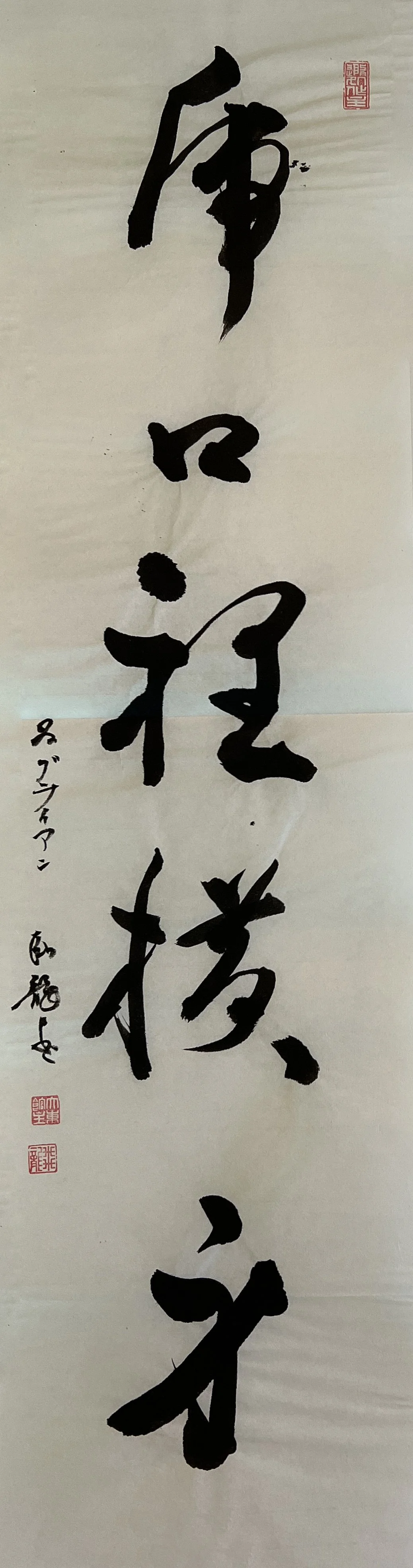
Traditional Budo
Daito-ryu Aikijujutsu was developed within the traditions of the Japanese warrior class as a sophisticated system of unarmed combat and supplementary weapons techniques designed to neutralize both armed and unarmed adversaries. While rooted in the practical demands of self-defense, the deeper purpose of its study transcends technical application. At its core, Daito-ryu is a path to the refinement of character through disciplined training, self-reflection, and the continual overcoming of one’s lesser nature.
As one of Japan’s enduring classical martial traditions, Daito-ryu embodies a profound cultural and philosophical heritage. The practice of traditional budo is not merely physical conditioning, but a lifelong process of forging the body, mind, and spirit through adversity, perseverance, and disciplined study.
At its highest expression, Daito-ryu is not about domination over others, but about mastery of the self. True victory lies in overcoming weakness, ego, and self-imposed limitations. In this sense, the art serves as a path toward self-mastery, maturity, and ethical development. Beyond the dojo, these principles guide the practitioner toward becoming a more responsible, productive, and contributing member of society.
Shobukan Dojo
The name of our dojo, Shobukan (勝武館), meaning “Victorious Warrior Hall,” reflects these foundational principles. Shobukan is regarded not merely as a training hall, but as a place of reverence, introspection, and continual self-improvement. The name is intrinsically connected to the concept of “shinken shobu,” the idea of facing combat with live blades, where the consequences are absolute and without compromise. Within the context of traditional budo, however, this principle extends beyond physical conflict. It signifies the lifelong struggle to confront, discipline, and ultimately triumph over one’s lower nature. Thus, true victory is understood not as conquest over another person, but as the achievement of mastery over oneself.